For Mission Teams
The team protected. The mission supported.
Planning a mission trip means carrying other people's trust. Here is what travel protection covers for a team, how group enrollment works, and how the trip itself can send support back to the ministry.
Powered by Olli · Licensed in all 50 states
What does travel insurance cover on a mission trip?
Three kinds of trouble: losing the prepaid money for a trip the team couldn't take, getting sick or hurt far from home — where many US health plans thin out or stop at the border — and bags or plans that don't arrive on time. Exact benefits and limits vary by plan and state.
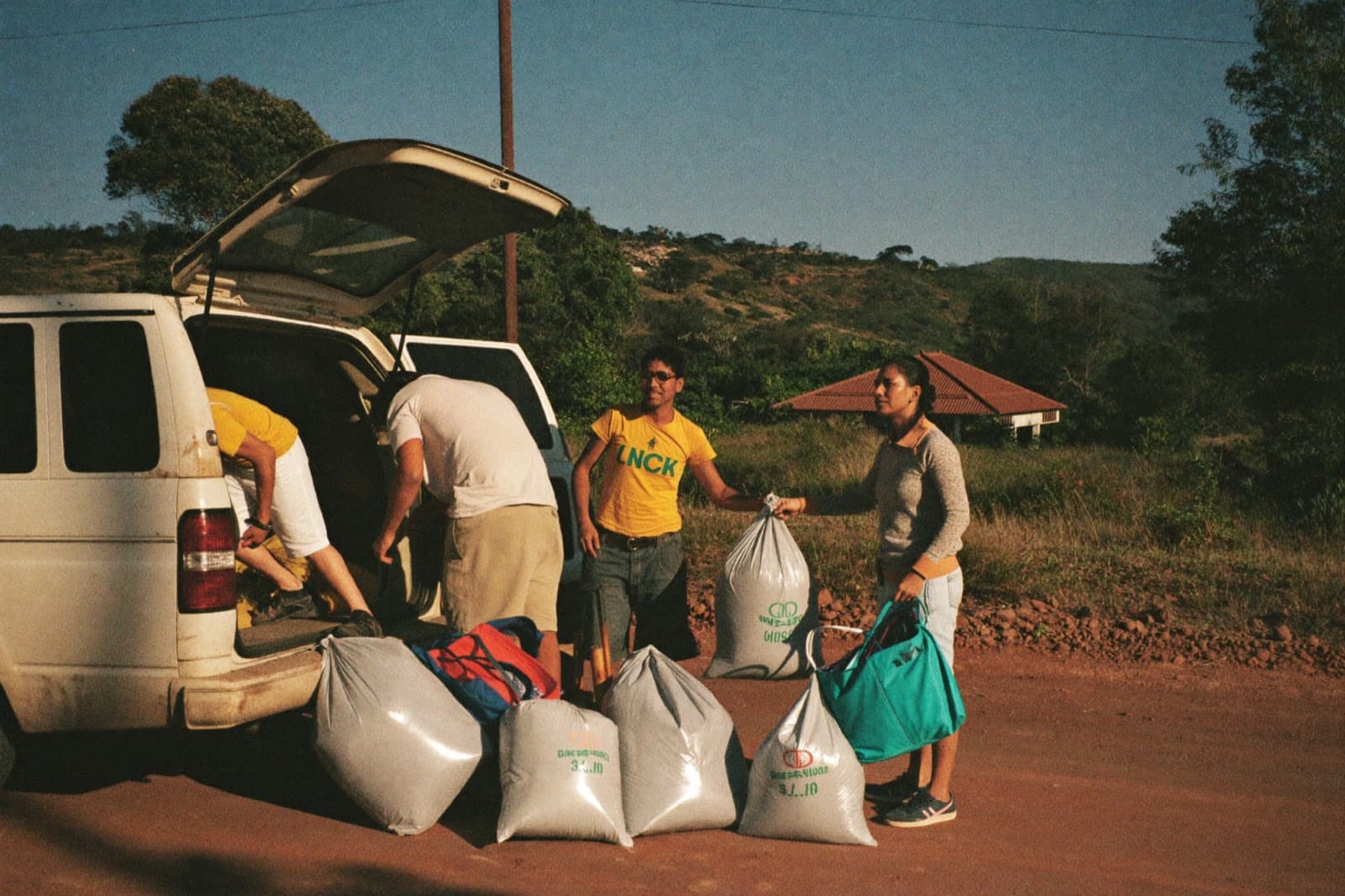
For a mission team that usually means trip cancellation for the deposits and program fees, emergency medical and evacuation for the worksite ankle four hours from a paved road, and baggage benefits for the duffels carrying the clinic supplies. The full walkthrough is on our coverage pages.
How does group coverage work for a mission team?
One organizer enrolls the whole team in a single purchase: the same coverage for every traveler, matched to the destination and the dates. Nobody quietly opts out and travels uncovered — the chaperone, the students, and the volunteers all land under the same protection.
The quote flow covers up to six travelers per quote today; larger rosters are enrolled with us directly. When the team travels through its church’s page, sponsorship credit accrues on the whole group. See group protection for how enrollment works.
| One group enrollment | Everyone on their own | |
|---|---|---|
| Who buys | One organizer, one purchase for the roster | Each family separately, on its own timeline |
| Coverage across the team | Everyone under the same plan, matched to the same trip | Plans and levels can vary family to family |
| Who ends up covered | The whole roster — nobody quietly opts out | Whoever remembered to buy before departure |
| The giveback | Sponsorship credit accrues on the whole group | Credit accrues trip by trip, as each family uses the church’s link |
How much does mission trip insurance cost?
Pricing varies by traveler age, trip cost, and trip duration — a student volunteer and a retired team leader on the same itinerary pay different amounts. Trips are covered from about $6 a day, and the quote flow shows your team's exact price in about 90 seconds, no account needed.
Trip cost mainly sets your cancellation protection, so a ballpark works to see a price and you can refine it before purchase. Children typically rate lower than adults; the flow prices your actual roster rather than an average.
How does the giveback support the ministry?
BonaVia shares up to 40% of what it collects with the partner church as a sponsorship, tracked in plain dollars — a statement the pastor can read aloud. It comes out of what BonaVia collects, never out of a traveler's pocket, and the church names the cause it feeds.
The shape of the math: two mission teams a year plus the congregation’s own vacations booked through the church’s page add up trip by trip — a typical active partner organization sees on the order of $1,200 a year in sponsorship credit, illustratively. In mission terms, that is a trip scholarship funded by travel your people were buying anyway. The full napkin math lives on the churches partner page.
Illustrative volumes and typical-partner sponsorship credit from the BonaVia working model, not a quote or a promised rate. Sponsorship credit is credited per covered trip and varies with member travel.
The planning checklist
Six things to have in hand before the team enrolls — most of them you already collected for the trip itself.
1. Set the roster and collect ages
Ages are all the quote needs — nobody hands over a birth date just to see a price. Birth dates come later, at checkout, because the coverage documents require one for everyone insured.
2. Total the prepaid trip costs
Flights, lodging, program fees: the prepaid, non-refundable money is what trip cancellation protects. A ballpark works, and you can refine it before purchase.
3. Confirm destination and dates
Coverage is matched to where the team is going and when — the same two answers your travel bookings already required.
4. Decide who enrolls the team
One organizer can enroll the group in a single purchase, or each family can buy through the church’s own page. Either way, everyone lands on the same protection.
5. Buy early
Ideally soon after the first trip deposit: some benefits, like the pre-existing condition waiver on select plans, depend on purchasing within a set window after that first payment.
6. Share the church’s link with the congregation
A church that partners with BonaVia gets a co-branded page; trips booked through it add sponsorship credit toward the cause the church names.
Questions mission teams ask
Does buying through our church cost travelers more?
No. The price is the same as anyone would pay for the same coverage anywhere else, and nothing about the coverage or a claim changes. The sponsorship the church receives comes out of what BonaVia collects, never out of a traveler’s pocket.
Who underwrites the coverage?
Coverage is provided through licensed insurance carriers: BonaVia works with more than one, and the carrier underwriting your specific plan is named in your policy documents and certificate. BonaVia is the producer, licensed in all 50 states. Details are in our disclosures.
Our team has students and retirees — does that change the price?
The quote flow prices your actual mix of travelers. Children typically rate lower than adults, and travelers 65+ typically rate higher, so a mixed team simply gets a mixed price — no one is turned into an average.
What if our roster is bigger than six people?
The quote flow covers up to six travelers per quote today. Larger rosters — a full mission team, several teams a year — are enrolled with us directly: start from the churches page and we respond within two business days.
Everyone on the team has health insurance. Do we still need medical coverage?
Many US health plans thin out or stop at the border, and mission trips tend to go where infrastructure is thin. Emergency medical and evacuation benefits are designed for exactly this: help with treatment costs where you are and, where medically necessary, transport to adequate care.
What happens if the trip is cancelled before departure?
If a covered reason named in the policy keeps a traveler from taking the trip — an illness, an injury, and other listed events — trip cancellation reimburses the prepaid, non-refundable money they would otherwise lose, up to the trip cost insured.
What does the church itself have to do?
Introduce the road, never sell insurance. The church gets a co-branded page and puts the link in the bulletin; the licensing, disclosures, and paperwork stay on BonaVia’s side of the table. The partnership itself is free — no fee, no minimums. See how church partnership works.
When should a mission team buy coverage?
Early — ideally soon after the first trip deposit. Cancellation protection starts working the day you buy, protecting the months between booking and boarding, and the pre-existing condition waiver on select plans depends on purchasing within a set window after that first payment.
Plan structure described in general terms; this is not a policy. Benefits, limits, and availability vary by plan and by state, subject to the language of the policies as issued.